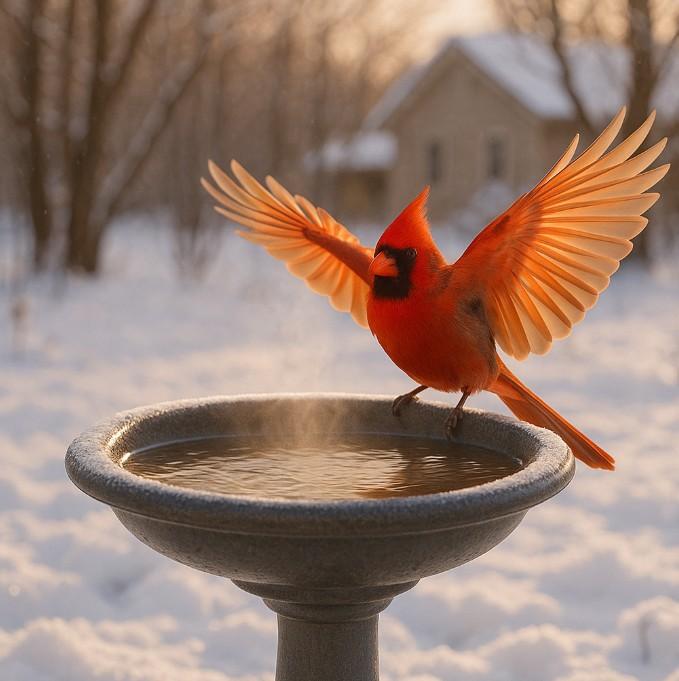
When temperatures drop, natural water sources freeze — making it difficult for birds to drink and bathe. A heated bird bath can change that, providing a steady source of liquid water even in freezing weather. Whether you’re an avid birder or simply enjoy watching wildlife from your window, adding a heated bird bath helps local birds survive and thrive all winter.
Why Birds Need Water in Winter
Just like in summer, birds need water year-round for drinking and preening their feathers. Clean feathers are vital for insulation and flight. Unfortunately, once ponds and puddles freeze, birds often have to spend extra energy searching for open water. A heated bird bath ensures they always have a reliable source close by — especially crucial during harsh cold snaps.
How Heated Bird Baths Work
A heated bird bath contains a built-in thermostat or heating element that keeps the water just above freezing, usually around 40°F. These devices use minimal electricity — roughly the same as a small light bulb — and automatically switch off when temperatures rise.
There are two main options:
-
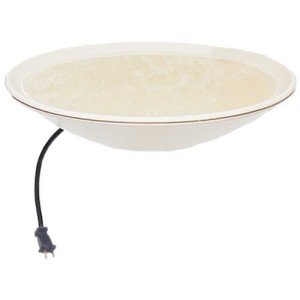
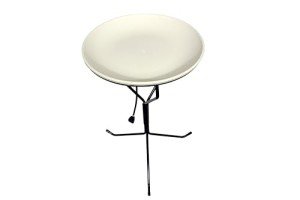
Integrated Heated Bird Baths: The heating element is built into the basin. Plug it in, fill it with water, and it’s ready to go.
-
Bird Bath Heaters (De-icers): Standalone heaters that can be placed in an existing bird bath, ideal for upgrading what you already own.
Choosing the Best Heated Bird Bath
When selecting a heated bird bath, consider these key factors:
-
Safety: Look for models with sealed heating elements and outdoor-rated cords.
-
Material: Plastic or metal baths retain heat better than ceramic ones.
-
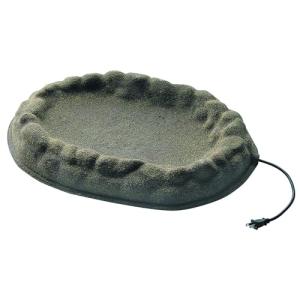
Depth: Aim for a shallow basin (1–2 inches deep) with a textured surface for bird footing.
-
Energy Efficiency: Thermostatically controlled heaters prevent unnecessary energy use.
Top brands like Allied Precision, Farm Innovators, and API offer durable, weather-resistant models that perform well in freezing conditions.
Placement and Maintenance Tips
-
Location: Place your heated bird bath near shrubs or trees to give birds cover from predators, but far enough away to prevent leaves and debris from falling in.
-
Power Source: Use an outdoor-rated extension cord if needed, and keep connections off the ground or covered with a weatherproof cord protector.
-
Clean Regularly: Replace the water every few days to prevent buildup of minerals or bacteria. A mild scrub with vinegar water keeps it fresh and safe.
-
Check Often: Even with a heater, extreme cold can form thin ice at the edges — break it gently if needed.
Benefits Beyond Hydration
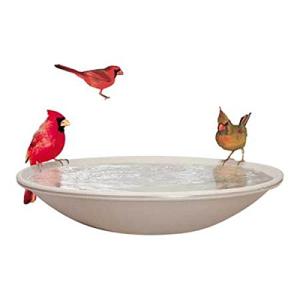
Providing a heated bird bath isn’t just about water — it’s about supporting your local ecosystem. Birds that find consistent water sources are more likely to remain in your area, giving you more opportunities to observe species like chickadees, juncos, and cardinals up close. Plus, running water in the snow adds a touch of serenity and beauty to any winter landscape.
Final Thoughts
A heated bird bath is one of the simplest ways to help birds during winter. It offers life-sustaining hydration, encourages feather care, and brings more activity to your backyard when everything else seems quiet and still.
Investing in a heated bird bath is not only a gift to your local wildlife — it’s a daily source of joy for you, too.